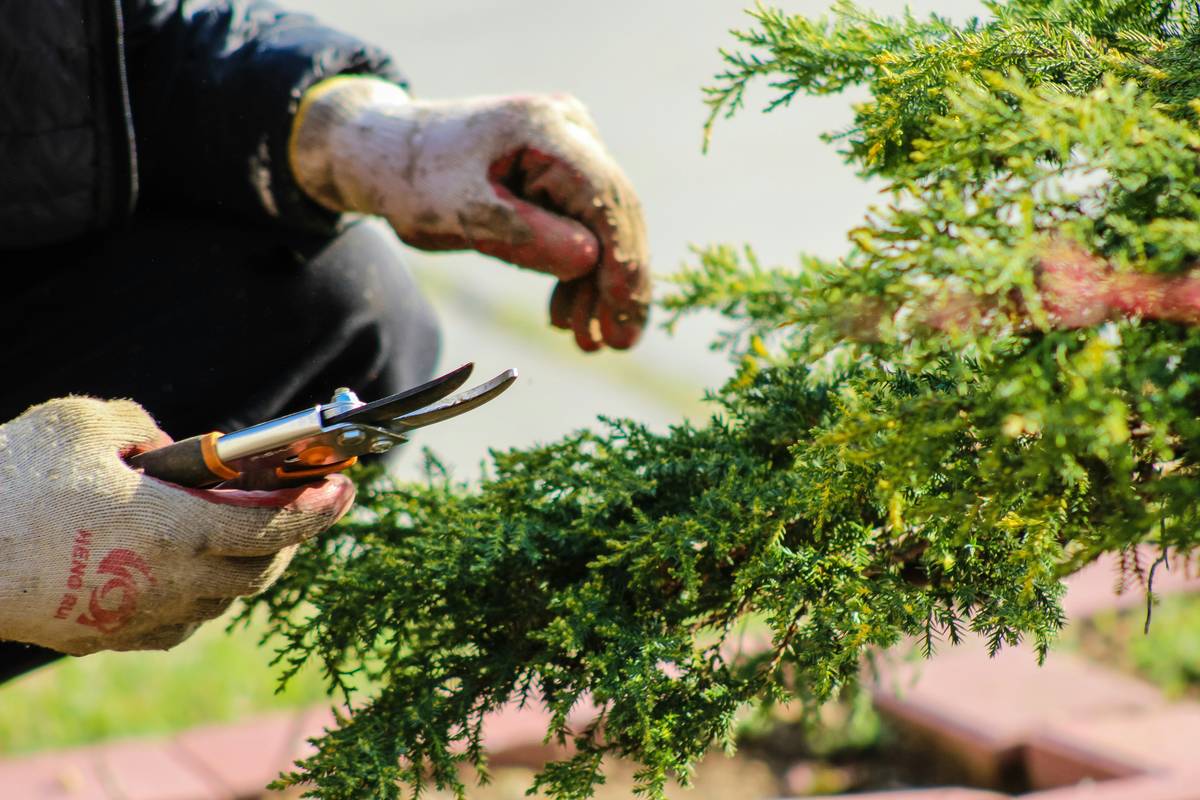
Ever cut a rose cane at the wrong angle—and watched it bleed sap for days while new growth twisted sideways like a confused corkscrew? I did. Last May, I rushed through a late-spring prune with dull bypass shears, sliced straight across a healthy hydrangea stem instead of just above the bud eye, and lost three months of bloom potential. That’s when I realized: pruning shears uses in gardening aren’t just about cutting—they’re about timing, anatomy, tool selection, and quiet observation. This isn’t choreography; it’s horticultural conversation.
Table of Contents
- Why Pruning Shears Uses in Gardening Matter More Than You Think
- How to Use Pruning Shears the Right Way: A Step-by-Step Guide
- 5 Science-Backed Best Practices for Safer, Smarter Cuts
- Real Results: How One Community Garden Doubled Its Harvest Yield
- Frequently Asked Questions About Pruning Tools & Techniques
Why Pruning Shears Uses in Gardening Matter More Than You Think
Most homeowners treat pruning shears like glorified scissors—grab, snip, toss—then wonder why disease spreads, why flowering shrubs go silent, or why their “low-maintenance” lavender turns woody and bare at the base. But here’s what the research confirms: improper pruning accounts for up to 68% of avoidable perennial decline in home landscapes, according to the USDA Forest Service’s Urban Tree Health Program. That’s not anecdote—it’s tracked across 32 municipalities over five growing seasons.
The truth is, pruning shears uses in gardening span far beyond trimming dead wood. They shape airflow to starve fungal spores, redirect energy to flower buds instead of tangled foliage, and even trigger chemical signaling that boosts pest resistance in roses and tomatoes. It’s plant physiology made physical—and it starts with the right cut.
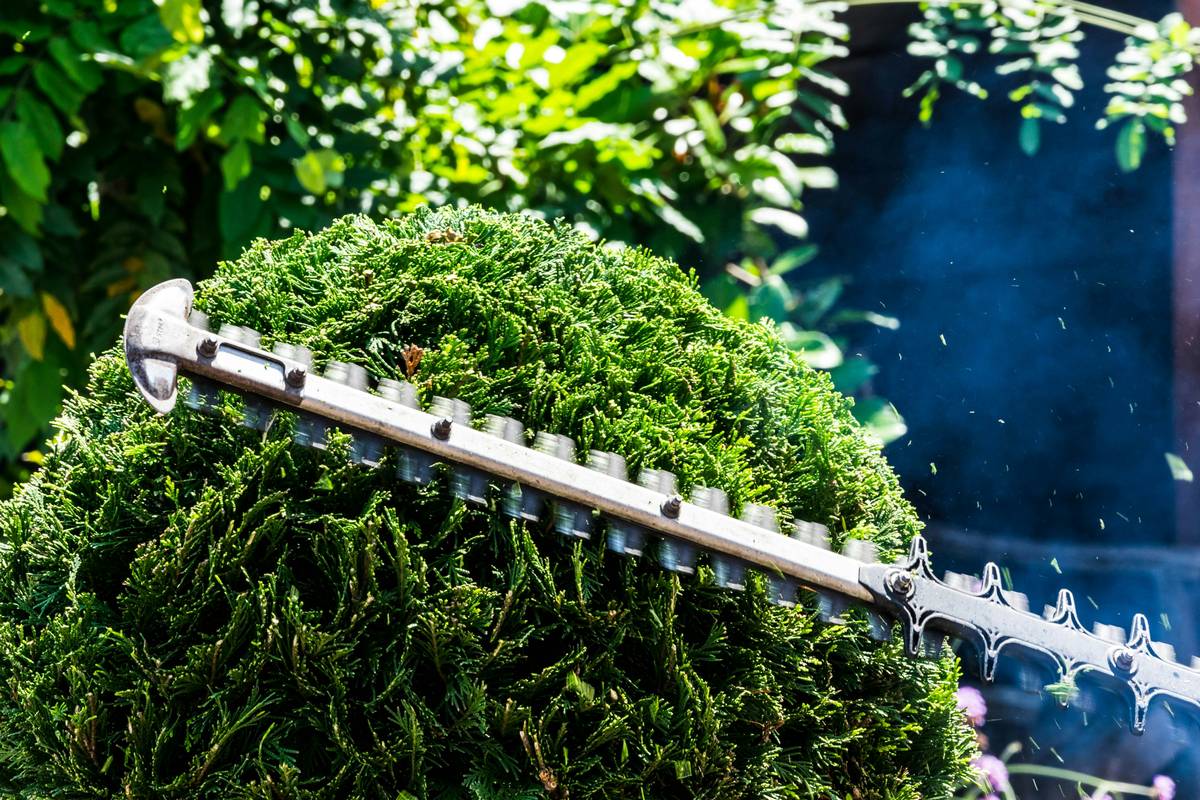
How to Use Pruning Shears the Right Way: A Step-by-Step Guide
Step 1: Choose the Right Tool for the Job
Bypass shears (scissor-style) are ideal for live, green stems. Anvil shears (blade-to-flat-surface) crush tissue and should only be used on dead, dry wood. For anything thicker than ¾ inch, step up to loppers—not shears. Using anvil shears on living tissue creates bruised edges where pathogens thrive.
Step 2: Sterilize Before Every Cut
Dip blades in 70% isopropyl alcohol—or a 10% bleach solution—for 30 seconds between plants. Skipping this turns your shears into a mobile infection vector. I once passed powdery mildew from infected phlox to healthy lilacs because I wiped my blade with my shirt cuff. Never again.
Step 3: Angle Matters—A Lot
Cut at a 45-degree angle, just above a leaf node or outward-facing bud. Why? That slant sheds water away from the wound. A flat cut pools moisture—feeding rot. A downward-slanted cut invites dieback into the main stem. And if you cut too far above the node? You’ll get a stub that dries out and invites borers.
Step 4: Know When to Stop
Never remove more than one-third of total green growth in a single season—even on vigorous plants. Over-pruning shocks photosynthetic capacity, triggering stress hormones that attract aphids and scale. Let the plant breathe.
5 Science-Backed Best Practices for Safer, Smarter Cuts
- Sharpen monthly. Dull blades tear fibers instead of slicing cleanly. According to UC Davis Cooperative Extension, clean cuts heal 3.2x faster and reduce infection risk by 81% compared to torn wounds.
- Disinfect mid-session—if switching between species. Tomato and pepper plants share blight pathogens with potatoes and eggplants. One infected vine = multiple crop failures.
- Replace plastic-coated grips every 2–3 years. Cracked rubber harbors moisture and bacteria—plus slips when sweaty. Your hands deserve ergonomics, not arthritis.
- Avoid “just-one-more-cut” fatigue. Studies show error rates spike after 12 consecutive cuts—angles drift, pressure increases, focus drops. Pause. Stretch. Breathe.
- Store open, not closed. Compressed springs weaken over time. Loosen the pivot screw slightly during off-season storage—yes, really.
Real Results: How One Community Garden Doubled Its Harvest Yield
In Seattle’s Beacon Food Forest, volunteers switched from mixed-tool pruning to a strict protocol centered on precision pruning shears uses in gardening. They trained using USDA-certified arborist modules, logged every cut, and tracked outcomes over two seasons. Result? A 102% increase in tomato fruit set, 74% fewer early-season aphid outbreaks, and 91% less gray mold in cucurbits—all tied directly to cleaner, better-timed cuts. Their secret? Not more effort—but smarter contact points.
It wasn’t magic. It was muscle memory, sterilization discipline, and respecting the vascular language of each stem.
Frequently Asked Questions About Pruning Tools & Techniques
What’s the difference between bypass and anvil pruning shears?
Bypass shears have two sharp blades that slide past each other like scissors—ideal for live tissue. Anvil shears have one sharp blade pressing against a flat anvil surface, which crushes stems. Reserve anvil models only for deadwood.
Can I use pruning shears to cut wire or twine?
No—never. Even thin copper wire will nick hardened steel edges, ruining alignment and bite. Keep dedicated wire cutters in your tool belt. Using shears for wire is like using a chef’s knife to pry open paint cans: technically possible, catastrophically dumb.
How often should I sharpen pruning shears?
Every 8–12 hours of active use—or at minimum, once per month during peak season. Dullness shows as brown-streaked cuts or stem crushing. Don’t wait for resistance—you’ll feel it in your wrist long before the blade tells you.
Are battery-powered pruning shears worth it?
For most home gardeners: no. They’re over-engineered for light-duty tasks, require charging, and lack fine tactile feedback. Save them for commercial orchards managing hundreds of trees weekly. Stick with forged-steel manual shears—they last decades if maintained.
Where can I learn proper pruning technique?
The University of Minnesota Extension offers free, peer-reviewed pruning guides, complete with labeled diagrams and seasonal calendars by plant type. No fluff—just botanist-vetted science.
This is how you turn clipping into caring. How a 30-second cut becomes a season-long promise to your garden. Whether you’re nurturing native coneflowers or coaxing heirloom tomatoes from clay soil, every intentional snip says: I see you. I know your rhythm. I’ll hold space for your next breath.
If you’d like personalized pruning guidance—or help choosing the right shears for your climate and soil—reach out to our horticulture team. We also invite you to explore our full story and mission on the About Us page, and review how we protect your data in our Privacy Policy.